Dead branch identification
Our arborists climb into the canopy to find dead, dying and diseased limbs, many of which are hard to spot from the ground, then remove them safely.
Removal of dead, dying and broken branches from Hamilton trees, reducing the risk of falling limbs and helping trees stay healthy and safe.
Deadwooding in Hamilton is the careful removal of dead, dying and diseased branches from a tree. Dead limbs are brittle and can fall without warning, especially in wind or rain, which makes them a real danger to people, pets, vehicles and buildings. Removing them also helps the tree, because dead wood can harbour pests and decay that spread. Our arborists climb into the canopy to identify and remove the dead material, taking care not to harm healthy growth.
Deadwooding is a good maintenance step for mature trees and for any tree that overhangs a house, driveway or play area. We cut cleanly at the correct points so the tree can recover well. We'll also let you know if we spot other concerns, such as cracks or weak unions. All branches are removed from your property afterwards. Contact us for deadwooding in Hamilton.
Our arborists climb into the canopy to find dead, dying and diseased limbs, many of which are hard to spot from the ground, then remove them safely.
Dead branches are brittle and can fall in wind or rain, so removing them lowers the risk of injury or damage to people, vehicles, roofs and fences.
Taking out dead and diseased wood can reduce decay, limit pests and help the tree focus its energy on healthy growth, which supports a longer, stronger life.
Older trees naturally produce more dead wood over time, and regular deadwooding helps keep them safe and manageable, especially those overhanging homes, play areas and driveways.
We cut back to healthy growth and avoid damaging the bark, so wounds heal well and the tree is left looking tidy and natural.
While in the canopy, we look for cracks, weak unions and other concerns, and let you know if the tree needs support, further pruning or monitoring.
Dead branches are easy to miss from the ground and dangerous when they fall. Our Hamilton arborists climb into the canopy, find the dead and diseased wood and remove it safely without harming healthy growth. We also look out for other tree concerns along the way and tell you honestly if anything else needs attention.
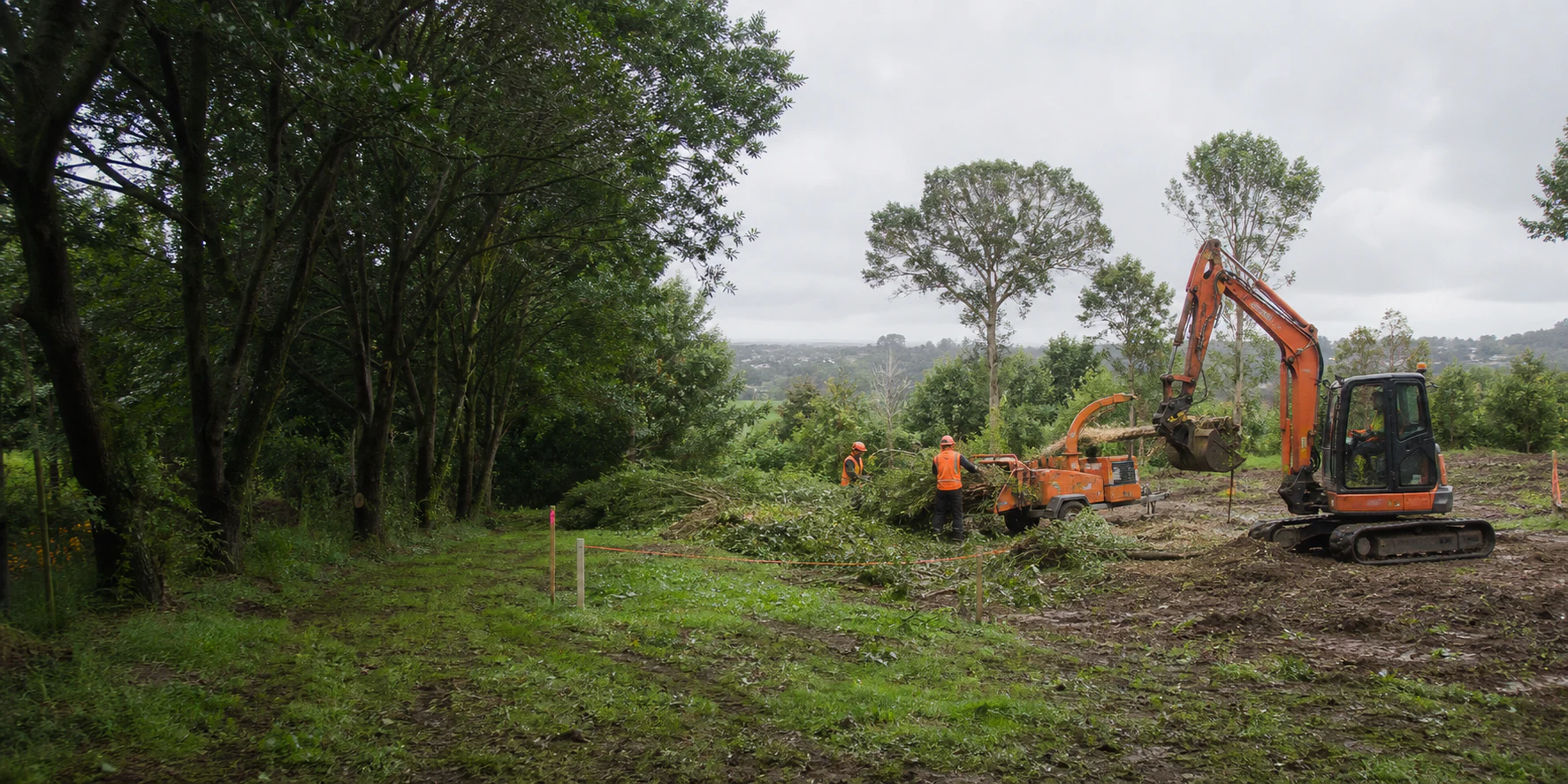
We inspect the canopy for dead, dying, and broken branches that could fall, spotting hazards that are easy to miss from the ground below.
Our climbers carefully cut out deadwood without harming healthy growth, reducing the risk to people, vehicles, and buildings below while improving the tree's overall appearance.
We gather every branch, tidy the area, and recommend ongoing deadwood checks so your tree stays safe, healthy, and free of falling hazards in all weather.
Answers to common questions about deadwooding in Hamilton. Still have a question? Get in touch.
Deadwooding prices depend on the size of the tree, how much dead wood there is, how high it is and whether branches can be dropped or need to be lowered on ropes over roofs, cars or gardens. Large mature trees usually take the most time. We look at the tree and give you a free quote before any climbing begins.
It depends on the species, its age and what is underneath it. Large trees over houses, driveways or play areas are worth checking every few years and after major storms, as they can build up dead wood fairly quickly. Trees in low-use areas can often go longer. We can suggest an interval for your trees.
Yes. In low-risk parts of a property, such as the back of a large section or a natural area, some dead wood can be retained as habitat for insects and birds. We focus on removing dead branches that could fall onto people, buildings or vehicles, and we can talk through what is reasonable to leave.
For deciduous trees, dead branches are much easier to spot when the tree is in leaf, so late spring to autumn is often ideal. Evergreen trees can be deadwooded at any time. If a dead limb is already hanging over a path, roof or driveway, it should be dealt with straight away rather than waiting for a particular season.
Not necessarily. Inner branches often die off naturally as the canopy shades them out. However, widespread dieback at the top or edges of the crown can point to root damage, disease, drought stress or soil changes from nearby building work. If we see signs like these while deadwooding, we will let you know.
Tell us about your deadwooding job and our insured Hamilton arborists will assess the site and give you a clear, no-obligation price. Prefer to talk it through? Call us on 07 808 5077.
Get a Free Estimate